Raw Mediterranean Kale Salad

Ali Segersten
Raw Mediterranean Kale Salad

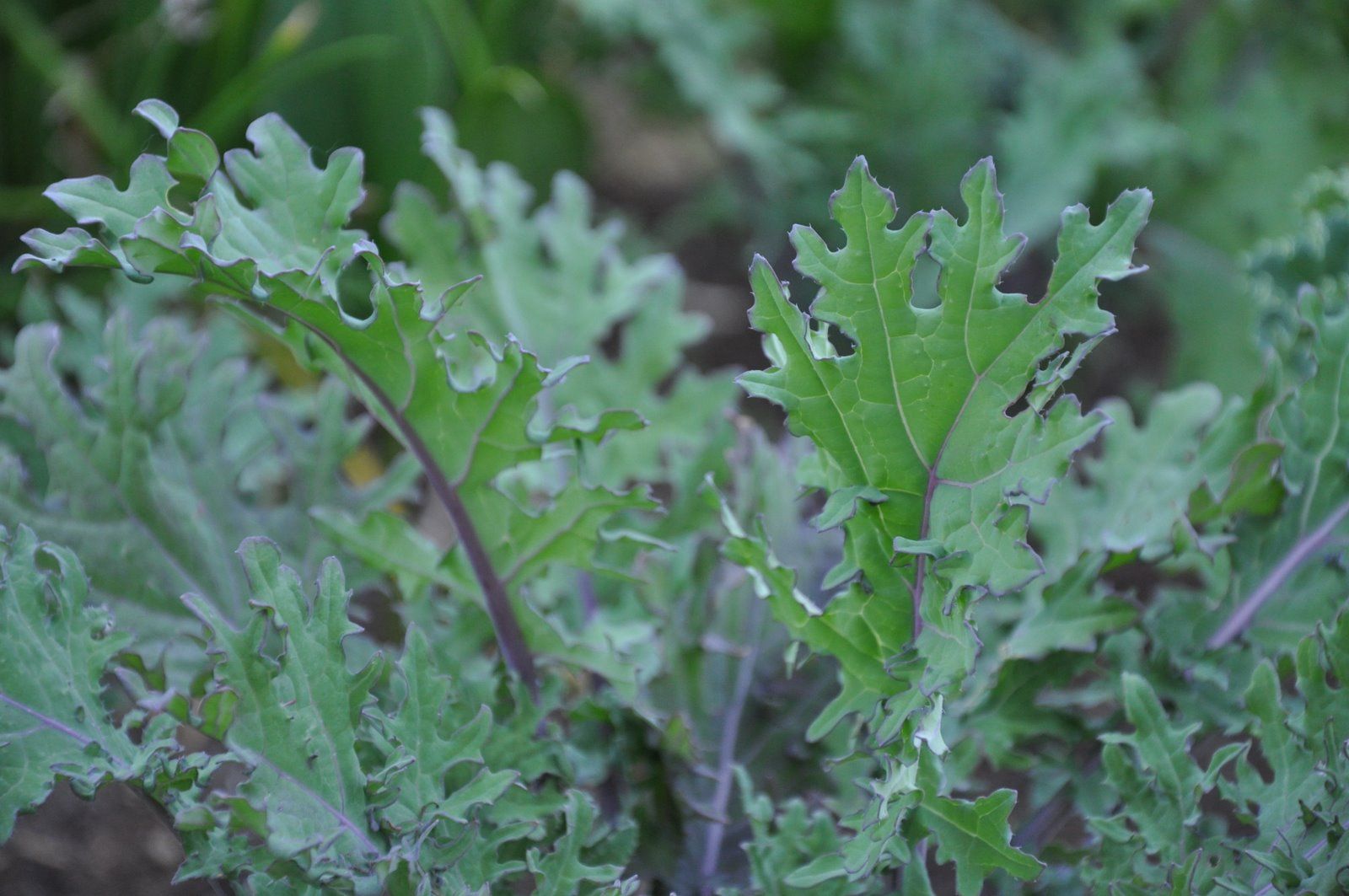
Fresh kale salads are so easy to make and incredibly nutrient-dense. Pictured here is kale I have growing in my garden. Kale is a cruciferous vegetable. It has the ability to speak to our genes and upregulate numerous detoxification and antioxidant enzymes! A wonderful way to use raw kale, other than green smoothies, is to toss it with lemon juice and olive oil. This softens it and mellows out the bitter flavors. 
Image
Mediterranean kale

Yesterday evening I made this salad along with my Sunny Sunflower Seed Burger recipe, Herbed Oven Roasted Potatoes, and a loaf of freshly baked gluten-free bread. It was a delicious summer meal!

I hope you are all enjoying this lovely weekend! We deep cleaned our house this morning. It really needed it. Now we are off to a family picnic in the park since the sun has decided to finally peek out.

ALI-2023-PHOTO-VERTICAL-2

About the Author

Alissa Segersten, MS, CN

Alissa Segersten, MS, CN, is the founder of Nourishing Meals®, an online meal-planning membership with over 2000 nourishing recipes and tools to support dietary change and better health. As a functional nutritionist, professional recipe developer, and author of The Whole Life Nutrition Cookbook, Nourishing Meals, and co-author of The Elimination Diet, she helps people overcome health challenges through food. A mother of five, Alissa understands the importance of creating nutrient-dense meals for the whole family. Rooted in science and deep nourishment, her work makes healthy eating accessible, empowering thousands to transform their well-being through food.

See More

Nourishing Meals Newsletter

Email updates.

Add Comment

Related Posts

FRESH GARDEN VEGETABLES-2

Anti-Inflammatory Foods: What to Eat More Of

An anti-inflammatory diet isn’t about chasing superfoods or eliminating everything at once. It’s about shifting daily patterns so your body receives fewer inflammatory signals and more of what supports repair, balance, and resilience. Inflammation responds to repeated inputs—blood sugar swings, oxidative stress, immune activation, gut barrier disruption, and damaged fats—not isolated meals. Food choices work because they change the signaling environment cells live in every day. Research across metabolic, cardiovascular, neurological, and immune systems consistently shows that inflammation is shaped by what we do repeatedly over time. It’s long-term eating patterns, not quick dietary changes, that determine how inflamed or calm the body’s internal environment tends to be.

Read More
LACTO-FERMENTED WATERMELON RADISHES-1

How to Make Lacto-Fermented Watermelon Radishes

Watermelon radishes are one of my favorite root vegetables to ferment—especially in the summer and fall when they’re at their peak. Their vibrant pink interior and crisp texture make them perfect for lacto-fermentation, transforming into tangy, probiotic-rich bites that support digestion and gut health. If you’ve never fermented vegetables before, this is a beautiful place to start. You don’t need any fancy equipment—just radishes, salt, water, and a clean jar. In a few days, your countertop will be home to a bubbling jar of living food, alive with beneficial microbes.

Read More
EASY CRUCIFEROUS DETOX SLAW-1

Raw Cruciferous Detox Salad Recipe

This raw cruciferous detox slaw is one of those recipes I make over and over again. It’s crisp, refreshing, and endlessly adaptable—something I prepare several times a week, each time with a little variation depending on what’s fresh, seasonal, or intuitively calling to me. At its core, this slaw features raw cabbage and kale—two cruciferous vegetables rich in glucosinolates, compounds that support the body’s detoxification pathways through the formation of sulforaphane and other bioactive metabolites. Preparing them raw preserves their delicate enzymes and enhances their cleansing properties.

Read More
CRUCIFEROUS VEGETABLES-1

Crucifers and Sulforaphane: Nature’s Most Powerful Detox Activators

Cruciferous vegetables like broccoli, kale, cabbage, and arugula are more than just nutritious—they’re biochemical powerhouses that support your body’s natural detoxification, reduce inflammation, and promote hormone balance. But their healing potential isn’t just in what they contain—it’s in how you prepare and eat them. This post explores why eating raw (or lightly cooked) crucifers matters, how to boost sulforaphane production, and the science behind using everyday foods to gently activate your body’s detox pathways. Let these humble vegetables become catalysts for profound cellular renewal and daily allies in your transformation.

Read More
ARUGULA CITRUS DETOX SALAD-1

How To Do a Detoxification Diet and Why

Every single day, your body is working quietly and powerfully to protect you. With every breath you take, every bite of food, every sip of water, your cells are assessing, sorting, and transforming what’s needed—and what must be let go. This is detoxification: your body’s innate ability to process, neutralize, and eliminate harmful substances. But in today’s world, that natural process can become overwhelmed. The air we breathe, the foods we eat, the products we put on our skin—all contribute to a growing toxic burden. A Detoxification Diet offers a way to reduce that load while nourishing your body with the nutrients it needs to restore balance and resilience.

Read More
RED ANTIOXIDANT SMOOTHIE-1

Red Antioxidant Smoothie Recipe

What is one way to decrease inflammation, improve gut health, upregulate detoxification, and increase insulin sensitivity? It is to consume more brightly colored fruits and vegetables daily! Sometimes the busyness of life prevents us from adding in the recommended number of servings of fresh fruits and vegetables we need each day. That's where smoothies come in. Adding everything to a high-powered blender makes it much easier to consume what you need in a delicious way! This red antioxidant smoothie is something I make several times per week. The smoothie contains raw red cabbage, several different types of low-glycemic frozen berries, avocado, citrus, and a red polyphenol powder to help boost the overall phytonutrient content.

Read More