Beyond Breakfast Cereal: Healthy Options to Start your Day!
Ali Segersten
Many of us grew up starting the day with a bowl of cold breakfast cereal and cow’s milk. But when we step back, it’s clear that this is a fairly recent tradition in human history. For most of time, people relied on simple, whole foods to begin the day—nourishing meals that supported steady energy.
Cold breakfast cereals only became popular in the late 1800s, when Keith Kellogg accidentally overcooked a pot of wheat, dried it into flakes, and later developed Cornflakes (and eventually Rice Krispies). Since then, breakfast cereal has become a staple, but the way it’s made is far from natural. Cereals are created through a process called extrusion, where grains and starches are forced through high heat and pressure to form uniform shapes. This process produces compounds known as advanced glycation end products (AGEs)—the same browning compounds that form when food is charred or caramelized—which, when eaten daily, may contribute to inflammation and oxidative stress in the body.
Beyond that, most boxed cereals are heavily processed and often contain refined sugars, artificial colors and flavors, synthetic low-quality vitamins and minerals, and GMO ingredients. It’s no wonder so many people feel a mid-morning crash after starting the day this way.
Independent laboratory testing of many low-quality nutritional supplements and processed foods has shown they may contain contaminants such as chemical solvents, heavy metals, and preservatives like sodium benzoate, BHA, and BHT. In addition, many popular cereal brands have come under public scrutiny for including GMO ingredients—something that has left many families feeling betrayed by companies they once trusted. A quick glance at the Facebook pages of brands like Kellogg’s, Cheerios, or Nature Valley reveals just how many people are speaking out about these concerns.
The Deeper Reality:
Cold breakfast cereals—whether conventional or organic—are not the nourishing foundation our bodies need each morning. Even the “natural” or organic boxed varieties are still highly processed, lacking in the nutrient density and balance that truly fuel our day.
The good news is, there are far healthier options that can support steady energy, balanced moods, and optimal brain function and growth. The key is choosing whole, organic foods that your body recognizes and thrives on. There’s no one-size-fits-all approach—what works for you may shift daily, weekly, or even seasonally. The most important thing is to keep experimenting and noticing how your body feels when you start the day with real nourishment.
Nourishing Whole-Food Breakfast Ideas:
Below you’ll find some of my favorite whole-food breakfast ideas to inspire you!
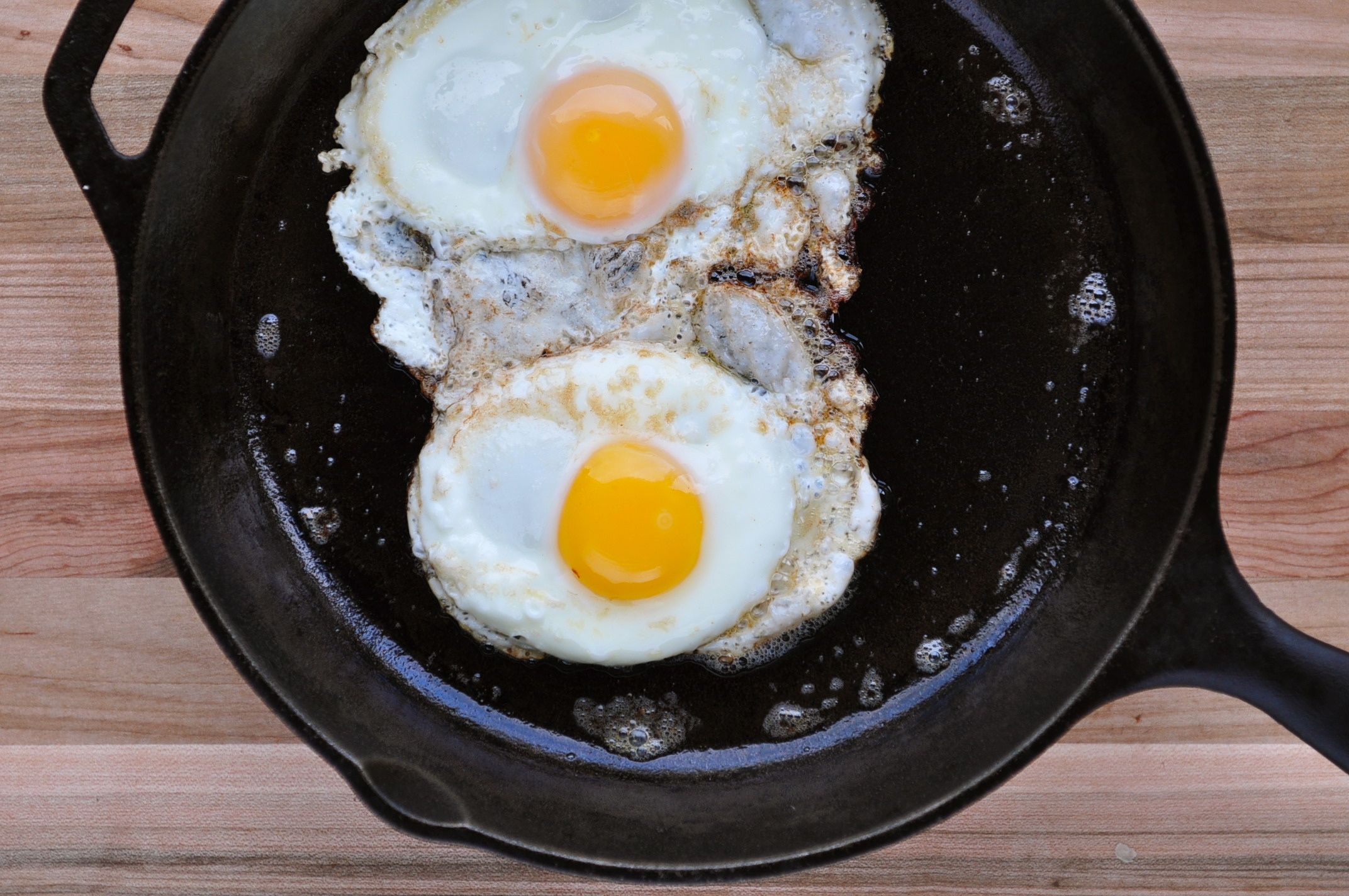
Eggs
When possible, choose pasture-raised eggs. These come from hens that forage outdoors—eating grasses, insects, and vegetable scraps—which leads to yolks richer in omega-3s, fat-soluble vitamins, and antioxidants. While organic eggs can be a step up from conventional, they often still come from chickens fed only organic grains. And “free-range” on a carton is mostly a marketing term; it usually just means the hens weren’t in small wire cages, but they may still have little outdoor access and be fed non-organic, GMO grains.
Pasture-raised eggs are versatile and quick to prepare: try them poached, scrambled, fried, or hard-boiled. For a balanced breakfast, pair eggs with fiber-rich vegetables and slow-burning carbs—think sautéed greens, roasted potatoes or yams, lacto-fermented vegetables, or even a simple side salad. Fresh fruit also makes a bright, nourishing complement.
Eggs truly are a nutrient-dense cornerstone food—rich in choline, high-quality protein, and compounds that support brain, liver, and eye health. With endless preparation options, they’re a reliable foundation for a satisfying, blood sugar–steady start to the day.
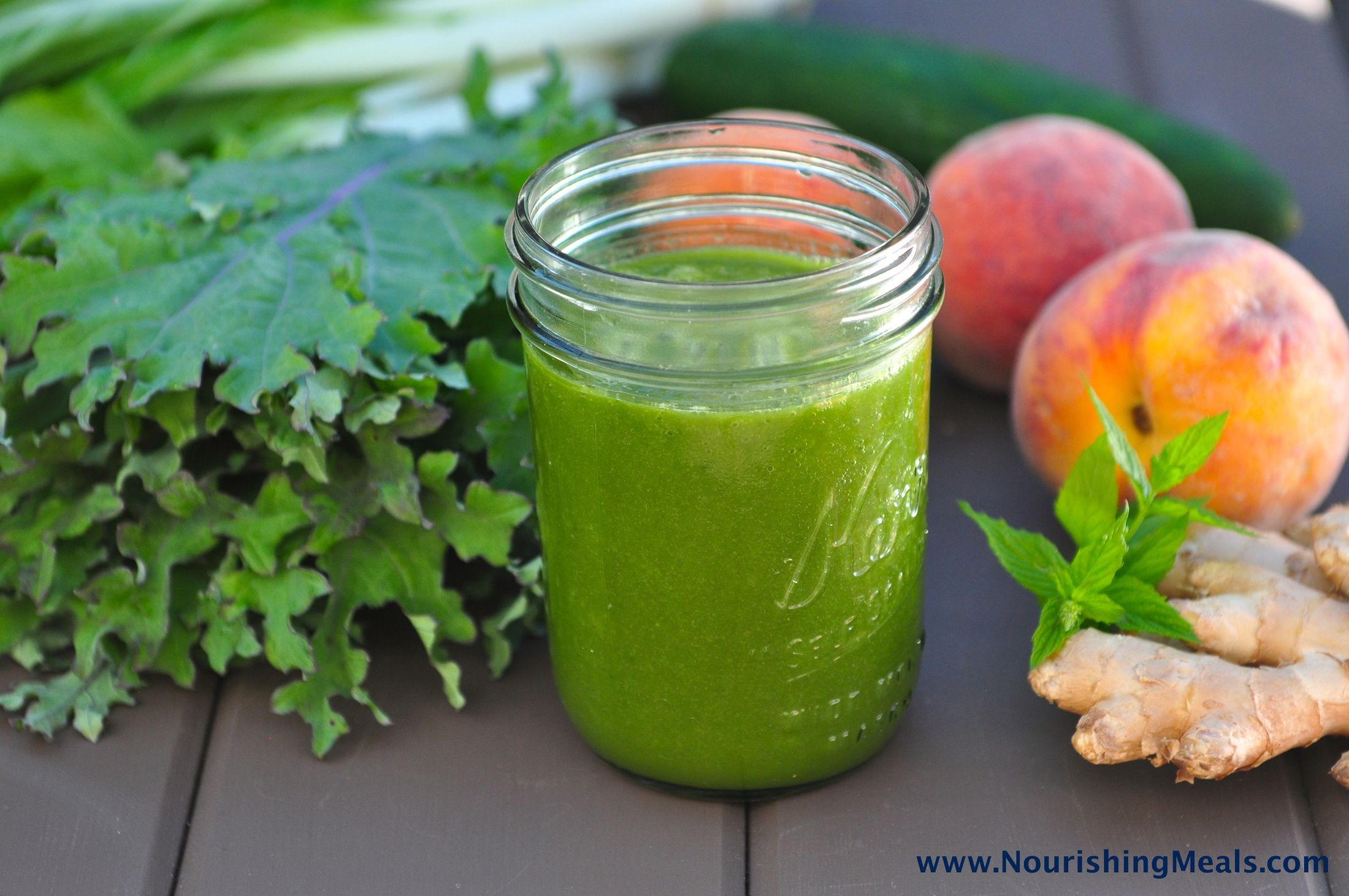
Smoothies
In our home, we usually make a green smoothie at least five days a week. It’s one of the easiest ways to enjoy a large serving of raw greens all at once. We often blend kale, collards, fresh lemon juice, and a little ginger for a bright, invigorating start to the day.
To make smoothies more balanced and sustaining, I always recommend adding a source of healthy fat and/or protein. Ingredients like soaked nuts, avocado, chia seeds, or even a scoop of hemp or collagen powder help slow digestion, support steady blood sugar, and keep you feeling satisfied for hours. (Remember—healthy fats don’t make you “fat”; they actually help regulate hormones, fuel the brain, and stabilize energy.)
We also love rotating in berry-based smoothies—blending frozen berries with soaked nuts or seeds, chia seeds, and sometimes a spoonful of maca powder for an extra nutrient boost. Smoothies like these are not only delicious but also a powerful way to flood your body with antioxidants, minerals, and fiber.
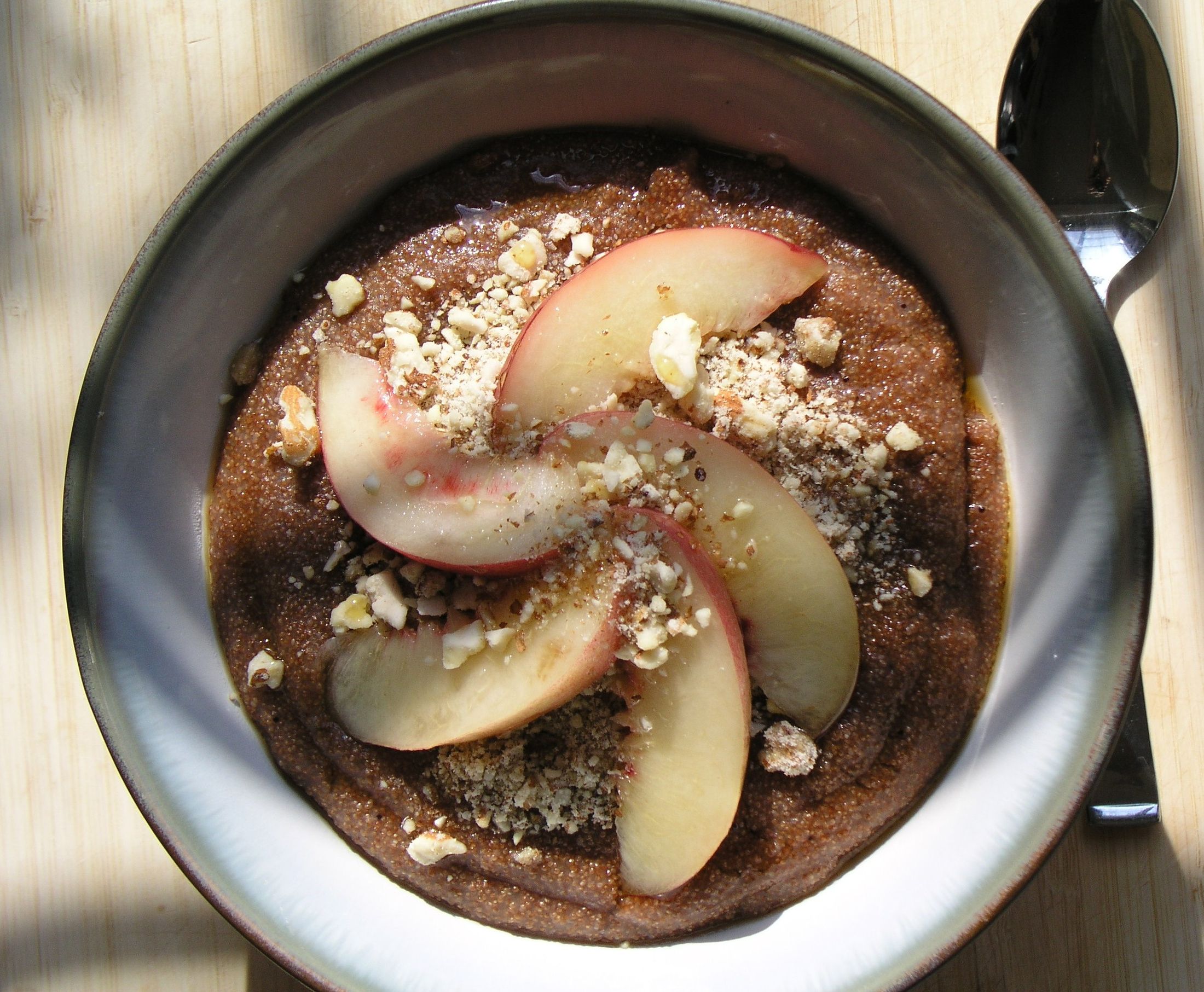
Whole Grains
On a chilly morning, a warm bowl of whole-grain cereal can feel grounding and comforting. Instead of boxed instant packets, try cooking up organic, gluten-free grains like rolled oats, amaranth, quinoa, teff, or freshly ground brown rice. These grains provide complex carbohydrates, minerals, and fiber that support digestion and steady energy.
To make your bowl more blood sugar–friendly, be sure to add a source of healthy fat and protein. A spoonful of pastured butter, a swirl of coconut or raw almond milk, a handful of ground nuts or seeds—or even all of the above—helps slow digestion and keeps energy levels steady throughout the morning.
In my cookbooks, you’ll find plenty of recipes for nourishing warm cereals: Cream of rice, teff porridge, quinoa cereal, and more. They’re simple to prepare and can be easily customized with seasonal fruits, spices, and toppings to make breakfast both healing and delicious.

Meat or Fish
Breakfast doesn’t have to mean something sweet or carb-heavy. Simple proteins like organic or homemade sausages, leftover cooked salmon, or even a small portion of last night’s chicken-and-vegetable stir-fry can make a deeply nourishing way to start the day.
Sometimes, if I know I’ll be out all morning, I’ll pair one or two sausages with a green smoothie for a quick but steady source of energy. My oldest daughter often enjoys leftover salmon with a side of fresh fruit for breakfast—it’s fast, satisfying, and nutrient-dense.
You don’t need a large portion of meat or fish. A little high-quality animal protein combined with plenty of vegetables—whether blended into a smoothie, tossed into a salad, or served alongside cooked greens—creates a blood sugar–balancing breakfast that helps you feel grounded and energized for hours.

Pancakes or other Griddle Cakes
Our early settlers relied heavily on corn for breakfast, a tradition likely passed down from the Native Americans. They made Johnnycakes, hoecakes (cooked on the flat side of a garden hoe over the fire), and cornbread quite often. Today, many people lean on boxed mixes for pancakes—but you don’t need to. Pancakes can be incredibly simple to make from scratch, and in my kitchen, I rarely use a recipe or measuring cups.
Instead of reaching for refined white flours, you can create more nourishing pancakes using higher-protein flours such as hazelnut, almond, or buckwheat. These flours provide fiber, healthy fats, and minerals that slow the release of sugars into the bloodstream. Pair them with eggs, cottage cheese, or even a scoop of Greek yogurt in the batter, and you’ve transformed a weekend treat into a more blood sugar–friendly, protein-rich breakfast.
All you need are a few basics. A wholesome flour, eggs or chia/flax seeds, your milk of choice, a touch of baking soda and powder, and a drizzle of maple syrup for sweetness. My cookbooks are filled with gluten-free whole-grain pancake variations, and in my newest book, you’ll even find recipes that use soaked whole grains to make pancakes, crêpes, and dosas (like Quinoa Mung Bean Dosas).
That said, griddle cakes of any kind—whether whole grain, nut-based, or grain-free—are still best enjoyed as an occasional treat. Cooking at high heat, especially when sweeteners like honey are used, can produce compounds called AGEs (advanced glycation end products), which aren’t ideal for everyday consumption. So savor them as a special breakfast a few times a month, rather than a daily staple.
Do you have a favorite nourishing breakfast that keeps your energy steady? I’d love to hear your ideas in the comments below!

About the Author
Alissa Segersten, MS, CN
Alissa Segersten, MS, CN, is the founder of Nourishing Meals®, an online meal-planning membership with over 2000 nourishing recipes and tools to support dietary change and better health. As a functional nutritionist, professional recipe developer, and author of The Whole Life Nutrition Cookbook, Nourishing Meals, and co-author of The Elimination Diet, she helps people overcome health challenges through food. A mother of five, Alissa understands the importance of creating nutrient-dense meals for the whole family. Rooted in science and deep nourishment, her work makes healthy eating accessible, empowering thousands to transform their well-being through food.Nourishing Meals Newsletter
Email updates.


Add Comment