The Elimination and Detoxification Diet ~ It's about Feeling Good!

Ali Segersten

What is the Elimination Diet? It is a program of eating designed to calm inflammation and balance the body. Once the body is calm, and the disease symptoms diminish, it becomes noticeable to a person when a “trouble” food is eaten and the symptoms come back.

If you have felt sluggish, had chronic health complaints, or just not felt quite right then an elimination diet is a useful tool that may help bring you to that optimal state of health you desire. Yes the elimination diet usually results in, on average, a 10 to 15 pound weight loss, but more importantly it promotes healing at the cellular level by identifying foods that are causing an immune reaction.
Image
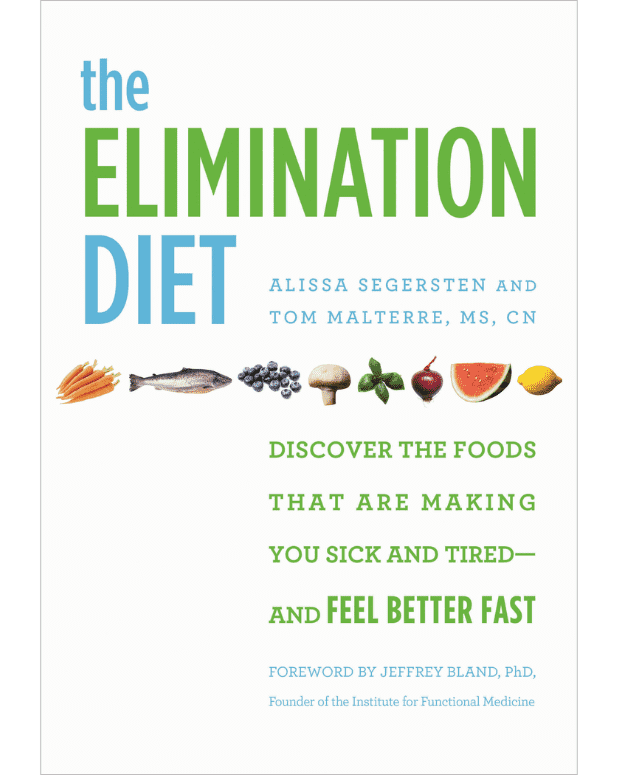
The Elimination Diet Cover Thumbnail
 

Everything you need to know about elimination diets is now in Print!

Learn how to safely and effective follow an elimination diet with our new book!

Complete with 125 delicious recipes, shopping lists, and meal plans, The Elimination Diet is a complete functional medicine resource for you to improve your health and feel better, naturally.

The main focus of the Elimination Diet is getting the gluten, dairy, eggs, yeast, corn, and soy out of your diet. Doing this, along with eating a diet high in plant foods, calms inflammation and gives your body a break. Additional foods that can be problematic for some people are citrus, nightshade vegetables, certain nuts, among others. These foods are removed in the first two phases and are then slowly added back during phase 3 to note any negative reaction. 

An Elimination Diet is useful in treating the following health conditions:

  • Fibromyalgia
  • Chronic fatigue syndrome
  • Psoriasis
  • Arthritis
  • Asthma
  • Eczema
  • IBS
  • Chronic Migraines
  • GERD
  • Anxiety
  • Constipation / Diarrhea
  • Sinus problems
  • Weight loss / Weight gain
  • Infertility
Image

Items to stock in your pantry and fridge:

please make sure you always use "organic"
  • dark leafy greens (dandelion greens, kale, collards, chard, bok choy, mustard greens...)
  • cabbage (all varieties)
  • lettuce
  • cucumbers
  • ginger
  • garlic
  • onions
  • yams
  • winter squash
  • broccoli
  • cauliflower
  • Brussels sprouts
  • carrots
  • celery
  • avocados
  • cranberries (fresh or frozen)
  • blueberries
  • bananas
  • cherries
  • raspberries
  • plantains
  • pears
  • apples
  • brown rice
  • quinoa
  • wild rice
  • adzuki beans
  • mung beans
  • sunflower seeds
  • pumpkin seeds
  • chia seeds
  • hemp seeds
  • pumpkin seed butter
  • sunflower seed butter
  • wakame and nori seaweeds
  • wild salmon
  • organic chicken
  • organic ground turkey
  • organic lamb
  • wild game
  • organic virgin coconut oil
  • organic extra virgin olive oil

Ready to get started now?

Go to the Elimination Diet page for more information on how to get started today.

ALI-2023-PHOTO-VERTICAL-2

About the Author

Alissa Segersten, MS, CN

Alissa Segersten, MS, CN, is the founder of Nourishing Meals®, an online meal-planning membership with over 2000 nourishing recipes and tools to support dietary change and better health. As a functional nutritionist, professional recipe developer, and author of The Whole Life Nutrition Cookbook, Nourishing Meals, and co-author of The Elimination Diet, she helps people overcome health challenges through food. A mother of five, Alissa understands the importance of creating nutrient-dense meals for the whole family. Rooted in science and deep nourishment, her work makes healthy eating accessible, empowering thousands to transform their well-being through food.

See More

Nourishing Meals Newsletter

Email updates.

Add Comment

Related Posts

ANTI-INFLAMMATORY VEGETABLES-4

What Inflammation Is and How Food Influences It

Inflammation is one of the body’s most important protective responses, and one of the most misunderstood. Inflammation is not a symptom or a diagnosis, it is a biological signaling process the immune system uses to protect you, repair damage, and restore balance. When inflammation turns on briefly and then resolves, it supports healing. When the signal stays active, or the body can’t complete the resolution phase, this same protective response becomes chronic and quietly damaging. Inflammation is an energy-expensive, chemically coordinated defense response. The immune system turns it on when cells detect danger, and it turns it off once repair is complete. Problems arise when the danger signal is persistent, or the resolution phase fails. That’s when inflammation shifts from helpful to harmful.

Read More
FRESH ANTI-INFLAMMATORY HERBS AND OLIVE OIL

The Anti-Inflammatory Diet: What You Need to Know

Chronic inflammation sits quietly beneath many modern health challenges. And food is one of the most powerful influences on whether we continue to fuel that internal fire, or help calm it. Inflammation can build for several reasons. It can arise from regularly eating highly processed foods that increase oxidative stress, a state in which free radicals outpace the body’s antioxidant defenses. It can also be driven by chronically elevated blood sugar from excess sugar and refined carbohydrates, which keeps inflammatory hormones and immune messengers turned on. And very often, inflammation is sustained by hidden food sensitivities—when the immune system reacts to certain foods, even ones commonly considered healthy. This is where the Anti-Inflammatory Diet becomes so helpful.

Read More
ALARM CLOCK SLEEP INFLAMMATION

How Food Sensitivities Affect Sleep

Food sensitivities can contribute to chronic inflammation, which disrupts the communication between your gut, immune system, and brain, Over time, this ongoing inflammation can affect everything from your mood to your sleep to your overall well-being. Unlike a food allergy, which triggers an immediate and sometimes severe immune reaction, a food sensitivity creates a slower, more subtle inflammatory response. Certain foods—often ones eaten regularly—can irritate the intestinal lining, increase immune signaling, and release cytokines that circulate through the body and brain. The effects may appear hours or even days after eating, showing up as fatigue, joint pain, skin issues, anxiety, or poor sleep.

Read More
LACTO-FERMENTED WATERMELON RADISHES-1

How to Make Lacto-Fermented Watermelon Radishes

Watermelon radishes are one of my favorite root vegetables to ferment—especially in the summer and fall when they’re at their peak. Their vibrant pink interior and crisp texture make them perfect for lacto-fermentation, transforming into tangy, probiotic-rich bites that support digestion and gut health. If you’ve never fermented vegetables before, this is a beautiful place to start. You don’t need any fancy equipment—just radishes, salt, water, and a clean jar. In a few days, your countertop will be home to a bubbling jar of living food, alive with beneficial microbes.

Read More
WINTER SQUASH-CUTTING BOARD-1

11 Restorative Foods That Support Deep Transformation

When you've taken the courageous step of removing inflammatory foods and potential sensitivities from your diet, your body enters a remarkable phase. One of renewal and receptivity. This is the replace phase. The time to fill your plate with foods that rebuild, repair, and restore. Replacing isn’t just about substitutions, it’s about intentional nourishment. This is where food becomes medicine—where digestion begins to strengthen, the microbiome starts to diversify, and the nervous system begins to regulate. It’s not simply about finding a gluten-free bread or a dairy-free milk. It’s about delivering the nutrients your cells need, soothing inflammation at its root, and laying the groundwork for deep healing. When you feed your body this kind of nourishment, food becomes more than sustenance—it becomes sacred medicine.

Read More
BLUEBERRIES STRAWBERRIES MINT-12

How to Use the Low-FODMAP Diet to Relieve IBS and Calm Gut Inflammation

Some of us don’t just feel digestive distress—we feel like our bodies have become unpredictable strangers. When every bite becomes a question mark, how do we find our way back to trust, ease, and belonging in our own skin? For those living with persistent digestive issues, eating is rarely simple. Even healthy foods like garlic, onions, apples, and lentils can set off a cascade of symptoms. The gut becomes a battleground. The joy of food disappears. And we’re left asking: Will I ever feel normal again? In the remove and replace phase of healing, we eliminate problematic foods and replace them with nourishing alternatives—foods that calm inflammation, soothe the digestive tract, and help regulate immune function. This is the part of the journey where rebuilding begins.

Read More