Harvesting Nettles with Children.....
Ali Segersten
Nettles, you say? You mean those pesky weeds that grow like wildfire and sting if you brush up against them? Yes—those! What many people don’t realize is that nettles are actually a powerhouse of nutrients. Once they’re cooked, blended, or dehydrated, they completely lose their “sting” and become a delicious, mineral-rich green.
Nettle season varies depending on the year and climate. Here in the Pacific Northwest, with our unusually warm and sunny winter, the first tender shoots are already here! Perfect timing for gathering and enjoying them in the kitchen.
My oldest daughter, Lily, even helped me put together the photo tutorial below to show you how simple it can be to harvest and prepare these wild greens.
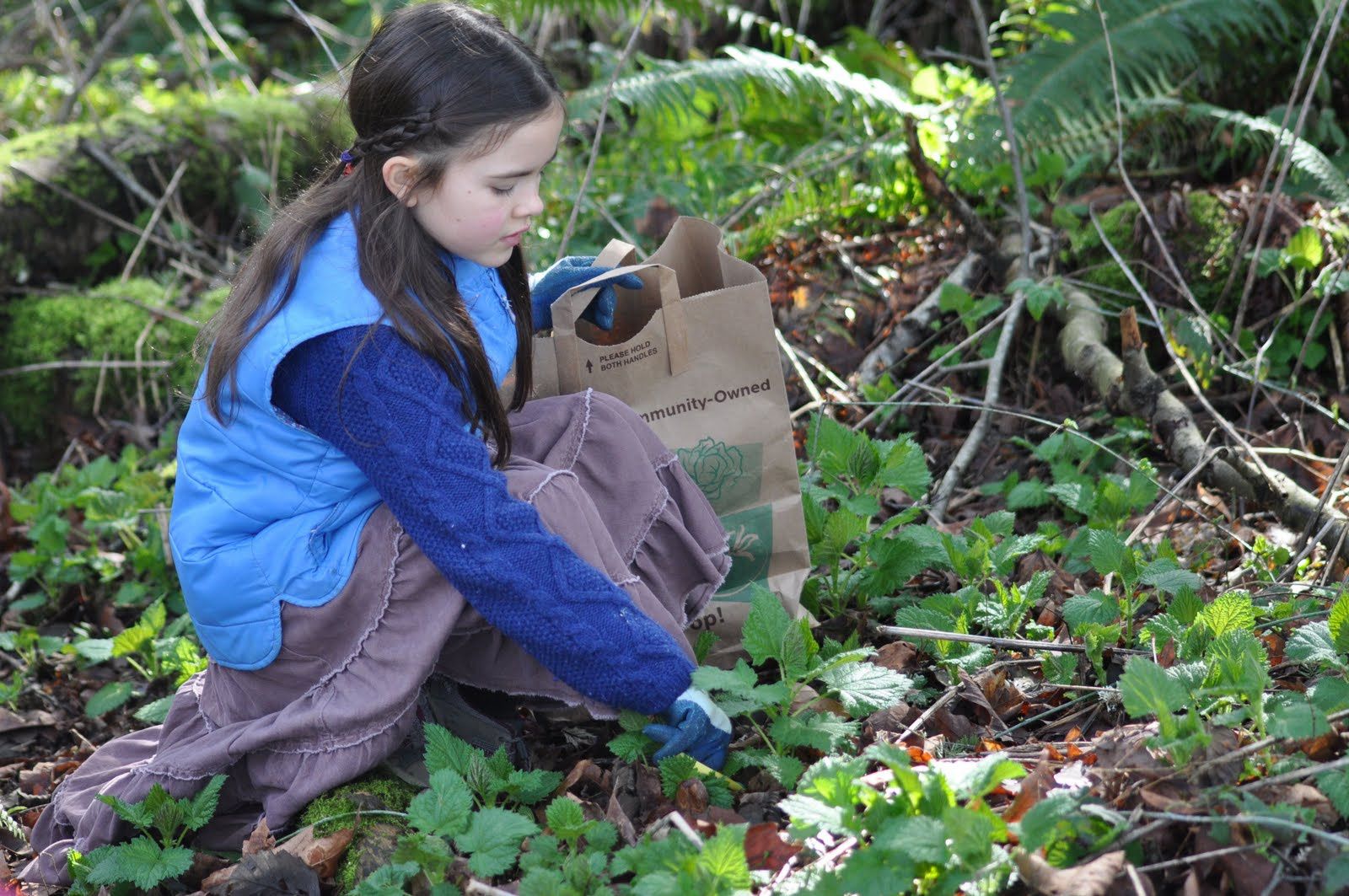
Finding Nettles in Early Spring
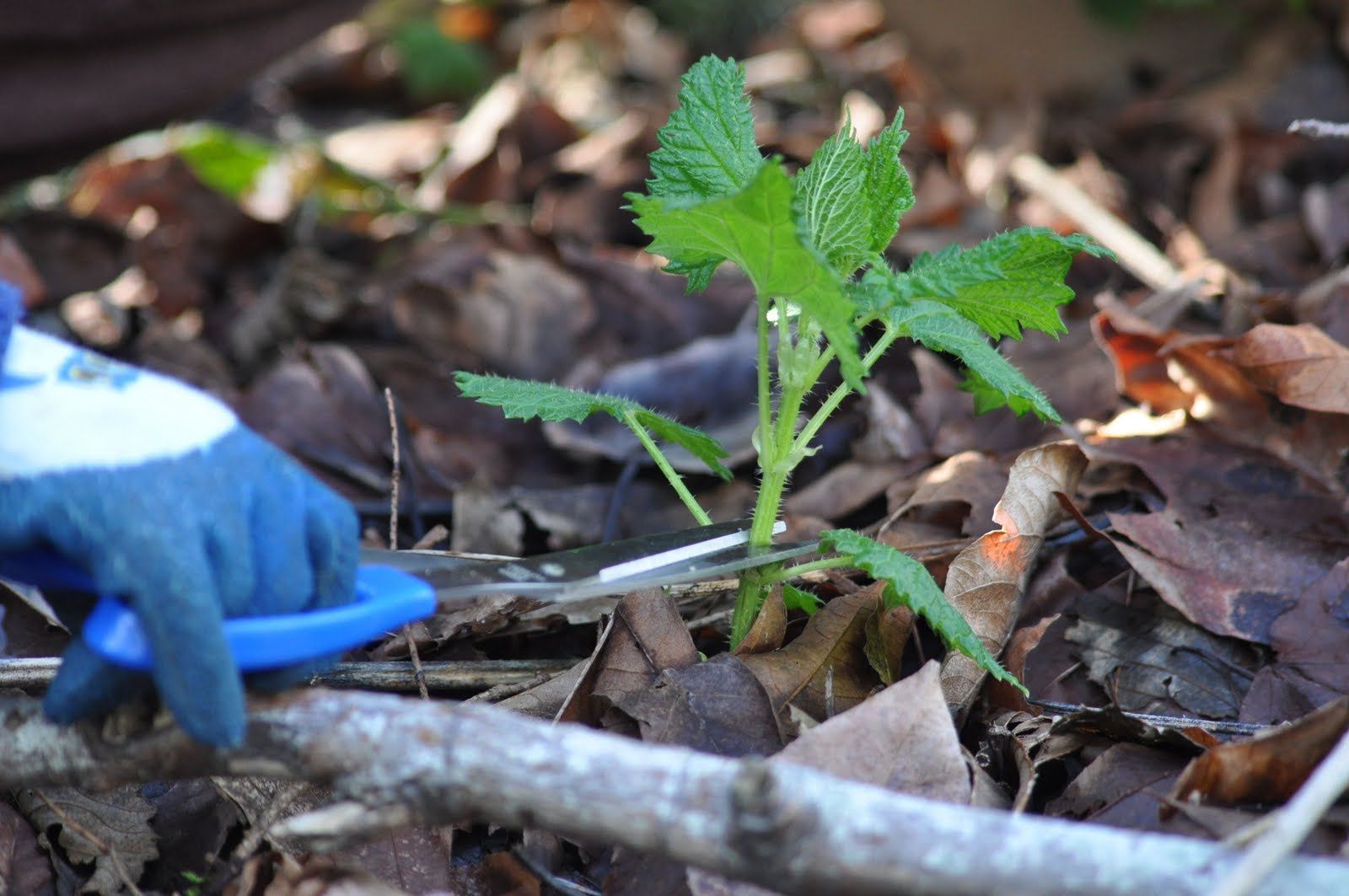
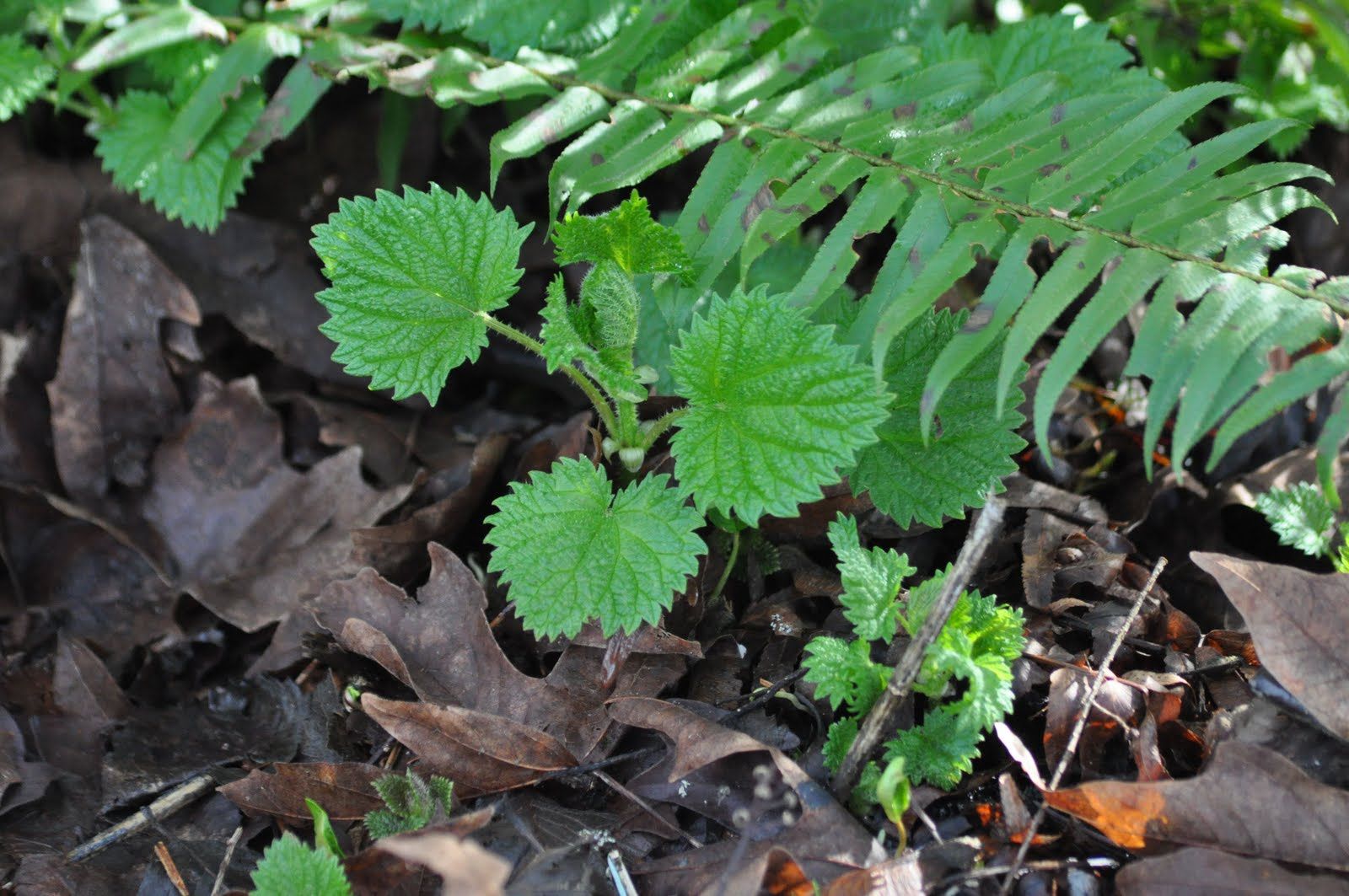
The other day, the kids and I were walking on the trails near our house when we came across one of our favorite nettle patches—bursting with tender new growth, ready to be picked. Nettles are best harvested when they’re young and just a few inches tall. At this stage, all of the plant’s energy and nutrients are concentrated in the leaves, making them especially vibrant and nourishing. Later in the season, as the plant matures and shifts its energy toward producing seeds, the leaves lose some of their potency.
Harvesting is simple—you only need a pair of scissors, a paper bag or two, and some gardening gloves to protect your hands from the sting. With just a little preparation, gathering nettles can become a fun and rewarding seasonal ritual.
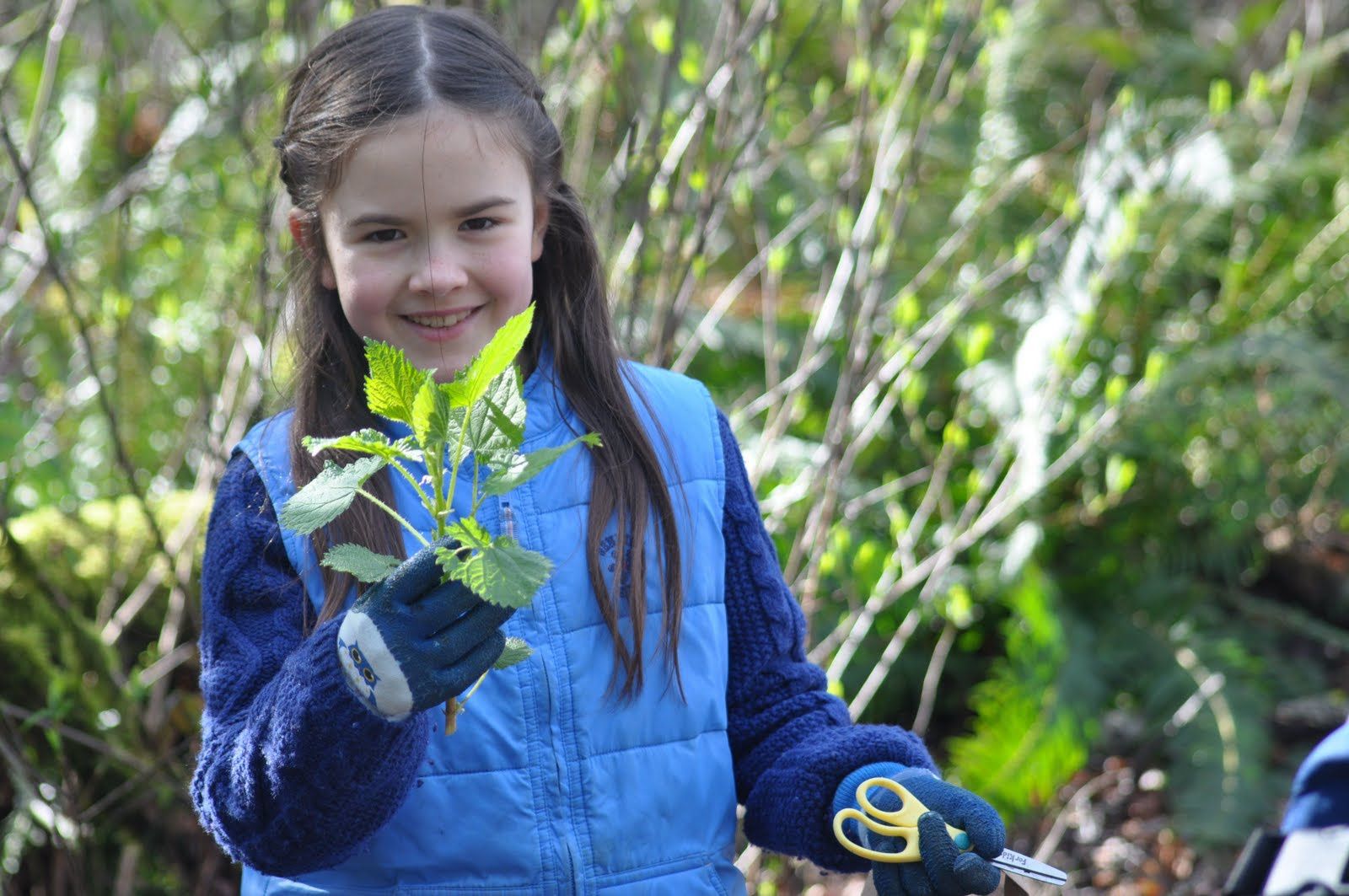
A Family Foraging Tradition
Harvesting nettles isn’t just for adults—young children can join in, too! We’ve been gathering nettles for as long as I can remember. Babies and one-year-olds can ride along in a sling or backpack while you forage. Two-year-olds are usually happiest playing and running nearby while you work. By age three, little ones can start helping in small ways while still enjoying playtime.
Once my girls were four years old, they became very interested in doing the harvesting themselves. On our most recent outing, the boys (age two) ran around with extra gloves on, then darted down the trail as far and as fast as they could go. They eventually made their way back—and slept very well afterward!
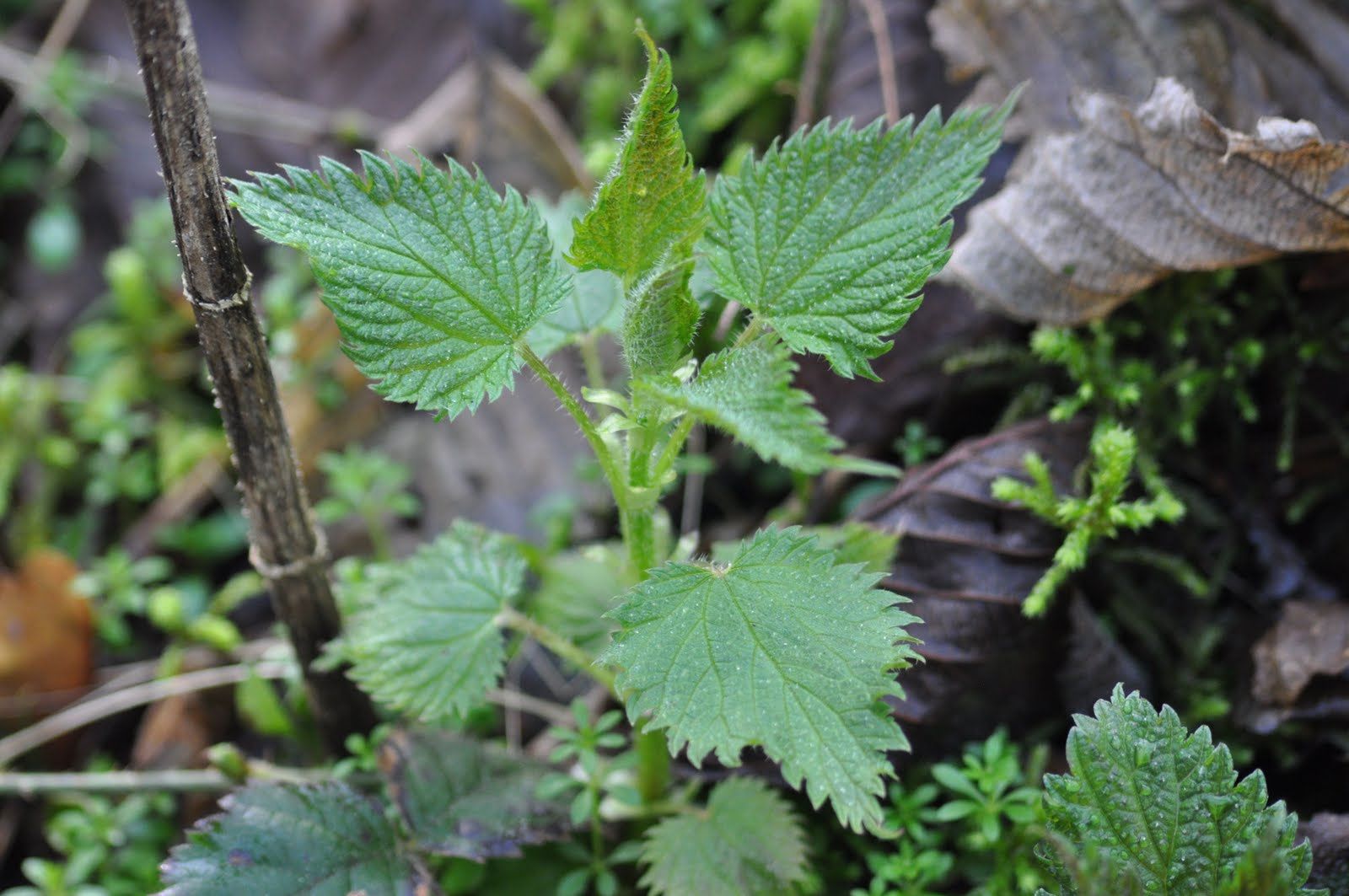
What about potential nettle stings?
For us, it’s all about how we approach it. Nettles are nourishing, wonderful plants—yes, they can sting, but that’s simply part of their nature. I remind my kids that a sting isn’t a big deal and that the sensation fades quickly. All of them get a few stings during harvest, but they brush it off and keep going.
The boys even tumbled into a nettle patch the other day. They came over holding out their hands and making little grunting sounds. I smiled and said, “Oh, I see—you’ve got a few nettle stings. Yep, that can happen.” And off they ran, back to their adventure.
Still, it’s important to educate children so they learn to tread lightly and move mindfully through a nettle patch. This teaches both patience and respect for the living environment around them. Wearing gloves and thick pants is best, though as you’ll see in these photos, my daughter was in a skirt and tights—and since the nettles were still so young and tender, it wasn’t much of an issue.
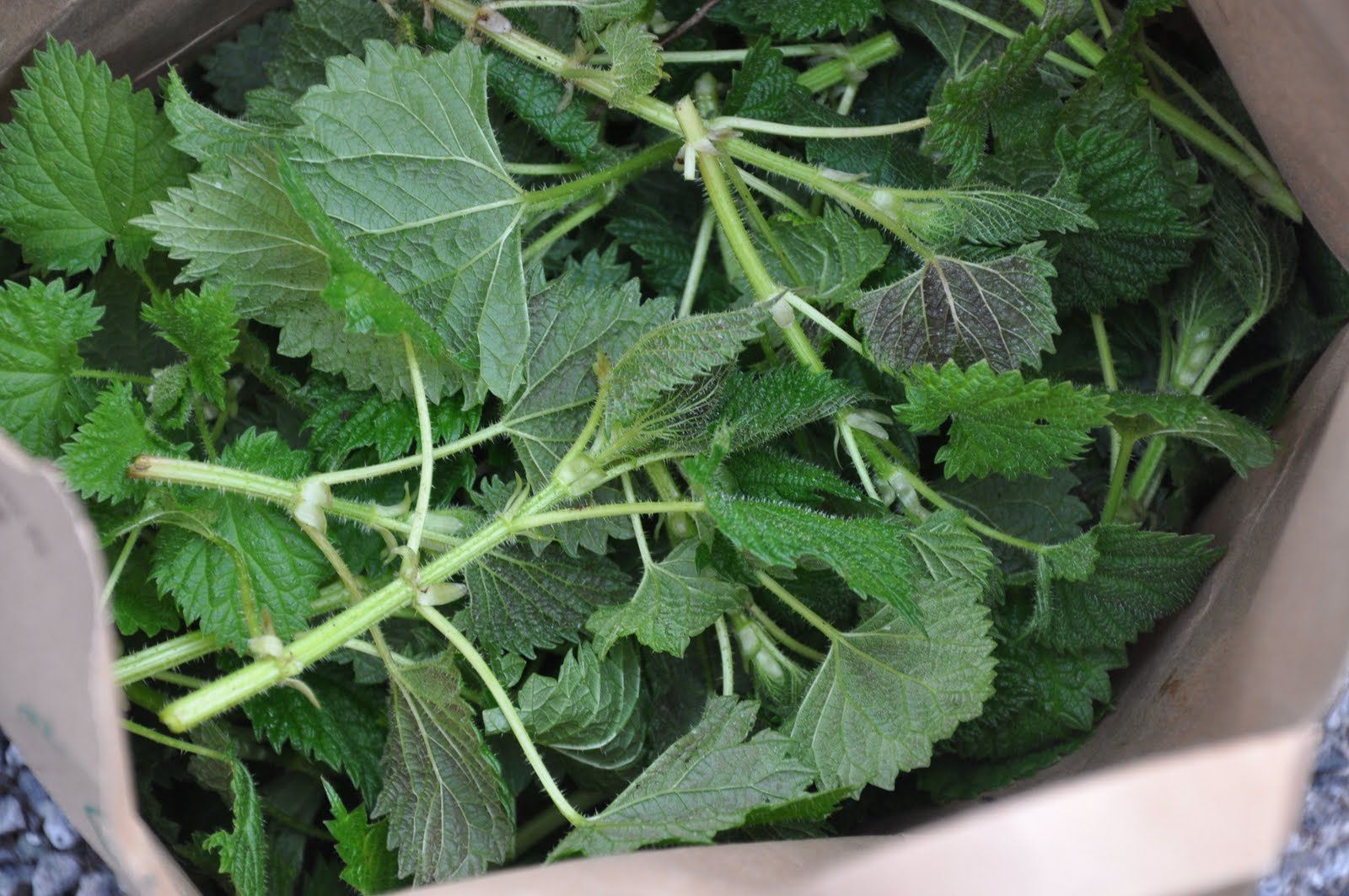
What do you do with your nettles?
In our home, we dehydrate nettles to enjoy as a mineral-rich tea throughout the year. I simply place the whole plant in the dehydrator, and once dried, I pulse the leaves in a food processor until finely ground. The powder gets stored in glass mason jars, ready to scoop into teas, broths, and recipes whenever we need a nourishing boost.
Fresh nettles are also wonderful in the kitchen. I love adding them to green smoothies (my personal favorite), folding them into lasagna, making pesto, blending into soups or stocks, or sautéing them with garlic and olive oil. Truly, the possibilities are endless! The only thing to avoid is tossing them raw into a salad—the “sting” is only neutralized once nettles are blended, cooked, or dehydrated.
If you’re following the Elimination Diet, incorporating fresh nettles into every phase can be especially supportive, helping to encourage both healing and detoxification along the way.
What are the health benefits of consuming nettles?
- Nettles are a blood-building herb, being high in iron, calcium, trace minerals, protein, and chlorophyll; they are very beneficial for the anemic person.
- Being mildly diuretic and rich in minerals, nettles help to stimulate breast milk production after delivery.
- Nettles may be used as a treatment for hay fever.
- Nettles are stimulating and cleansing to the liver, kidneys, and bladder.
- They taste good; sort of like spinach some say.
How do you harvest nettles?
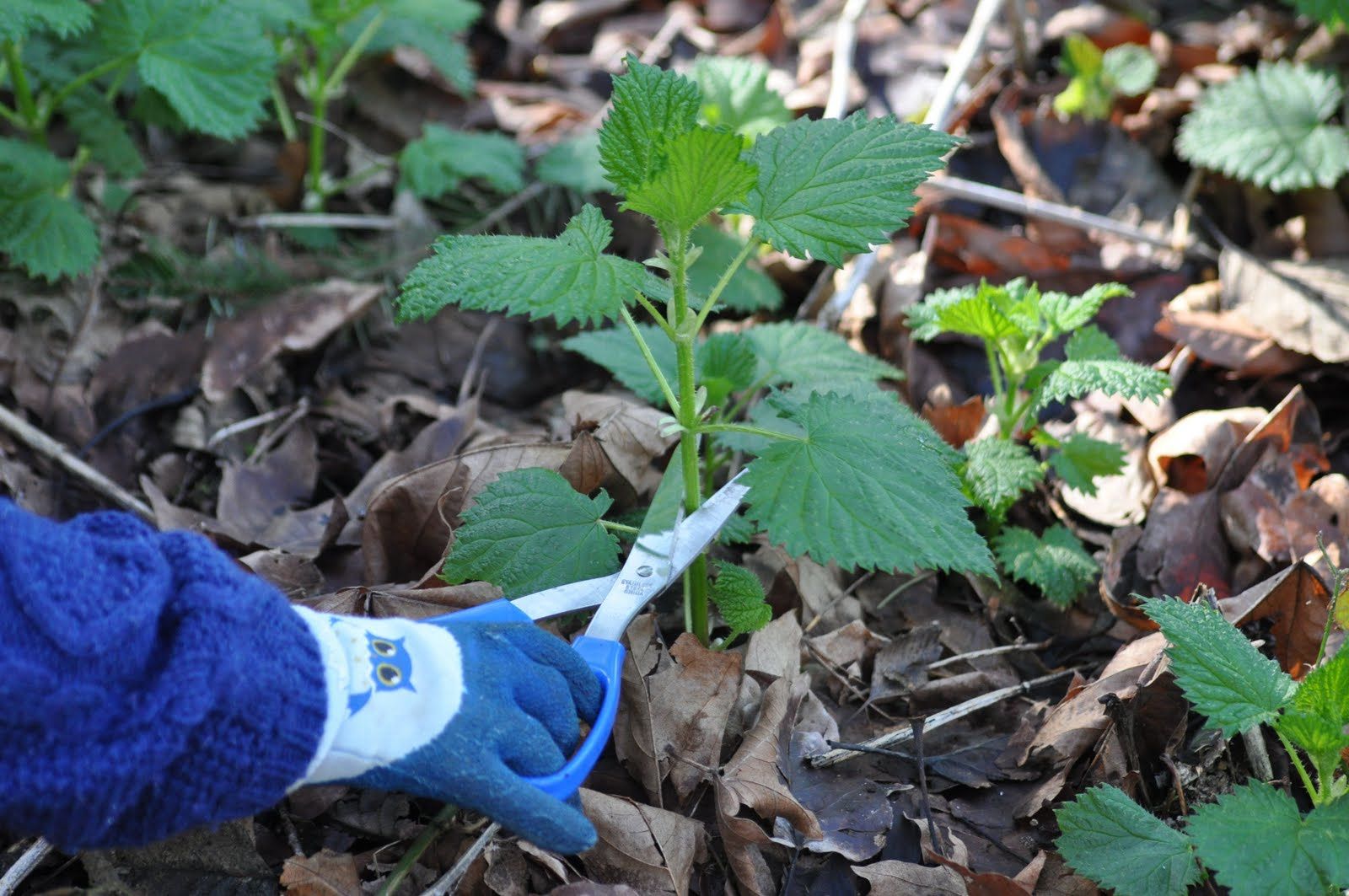
The best way to harvest nettles—while allowing the plant to keep growing—is to cut the stem just above the second set of basal leaves. Of course, when young children are helping, this doesn’t always happen perfectly—but that’s part of the learning process, and it’s wonderful practice in respecting nature.
If you live in the Midwest or East Coast, your nettle season may arrive a few months later than ours here in the Pacific Northwest. Nettles thrive in nitrogen-rich, moist soil, so keep an eye out in areas with plenty of decaying organic matter.
I’ll be sharing recipes soon that highlight nettles in lasagna, bone broth, and soup. In the meantime, I encourage you to get outside, soak in the sunshine, and go on a nettle hunt with your children—it’s such a rewarding seasonal ritual.
And if you’re an herbalist or have deep knowledge in herbal medicine, please feel free to share your wisdom in the comments below.
References:
- Gladstar R. Herbal Healing for Women. New York: Simon and Schuster, 1993, 177.
- Mittman P. Randomized double-blind study of freeze-dried Urtica diocia in the treatment of allergic rhinitis. Planta Med 1990;56:44–7.
- Blumenthal M, Busse WR, Goldberg A, et al. (eds). The Complete Commission E Monographs: Therapeutic Guide to Herbal Medicines. Boston, MA: Integrative Medicine Communications, 1998, 216–7.

About the Author
Alissa Segersten, MS, CN
Alissa Segersten, MS, CN, is the founder of Nourishing Meals®, an online meal-planning membership with over 2000 nourishing recipes and tools to support dietary change and better health. As a functional nutritionist, professional recipe developer, and author of The Whole Life Nutrition Cookbook, Nourishing Meals, and co-author of The Elimination Diet, she helps people overcome health challenges through food. A mother of five, Alissa understands the importance of creating nutrient-dense meals for the whole family. Rooted in science and deep nourishment, her work makes healthy eating accessible, empowering thousands to transform their well-being through food.Nourishing Meals Newsletter
Email updates.


Add Comment