Natural Home Remedies for the Cold and Flu Season
Ali Segersten
As soon as school starts back up in the fall my children inevitably get a little sniffle or a slight cough. It's a good thing to be exposed to viruses and bacteria. It makes the immune system stronger. But how your immune system reacts depends on a lot of factors. Certain foods, nutritional supplements, herbs, and other remedies may be very beneficial during times of acute illness because they help your body heal itself naturally. This post offers you tips for building a strong immune system as well as natural home remedies to treat ear infections, coughs, fevers, colds, and flus.
Prevention: Building a Strong Immune System
Nutrient deficiencies and chemical overload cause our immune system to misbehave or not function to its highest potential. We are exposed to colds and flus nearly every day. When your immune system is functioning properly it will immediately activate white cells and destroy the pathogens keeping you healthy. If you are run down, deficient in nutrients, eating foods that you are sensitive to, or chronically stressed then your immune system may become compromised.
Tips for Keeping Your Immune System Strong:
- Do an Elimination Diet to determine which foods you are sensitive to and remove them from your diet. Food allergies and sensitivities constantly tie up your immune cells to deal with the food response instead of being fully able to tackle the offending virus or bacteria.
- Keep your diet as clean as possible: plenty of organic vegetables, greens, and fruits daily. Whole grains (not too many ground grains, i.e. flours), legumes, pastured/organic eggs & meats, wild fish, sea vegetables, and raw nuts & seeds. (Both of my books cover how to do this with delicious recipes)
- Take a natural food-based Vitamin C supplement daily! I don't think there is another nutrient out there that acts as a "cure-all" other than Vitamin C. Your immune cells need Vitamin C to function properly and perform certain tasks. I like this brand and this one (this one contains corn). Use more when you feel a cold or flu coming on. It will likely decrease the duration of the illness.
- Take purified fish oil daily. EPA and DHA from fish oil are extremely important for proper immune function. My book, Nourishing Meals, covers this in greater detail. We like to use this supplement (in capsules) as well as this liquid fish oil (added to smoothies for the kids).
- Coenzyme Q10 is a supplement (also found in heart tissue) that is very important for mitochondrial function. Our bodies also produce it when we exercise! I give my children this supplement a few times a week.
- Selenium is a mineral that many people are often deficient in. Certain agricultural regions have soil that is deficient in selenium so the plants that grow there and the animals that eat them tend to be low in this key nutrient. If you live in the Northwest, then you should know that our soils are quite depleted of selenium. We take a supplement and also enjoy Brazil nuts (very high in selenium) occasionally.
- Make sure your levels of Vitamin D (25-OH D) are between 40-60ng/mL starting in the Fall (most adults need around 5000-6000IU per day to accomplish this). I add a few drops of this D3/K2 supplement into my children's smoothies a few times a week from about October through April.
- Zinc! If you don't think you are eating or absorbing enough zinc-rich foods (grass-fed beef, turkey, chicken, lamb, soaked pumpkin seeds) then it is best to take a daily supplement. For example, a chronic zinc deficiency can cause you to catch every cold and flu going around! If you have my book, Nourishing Meals, you will see the chapter devoted to raising healthy children and the section on key nutrients for proper development. You can read more there about the best food sources of zinc and what factors can contribute to a zinc deficiency.
- Take a good Probiotic Supplement daily and add fermented foods into your family's diet to boost gut health. A healthy digestive system is able to absorb and utilize the nutrients you give it through food and supplements.
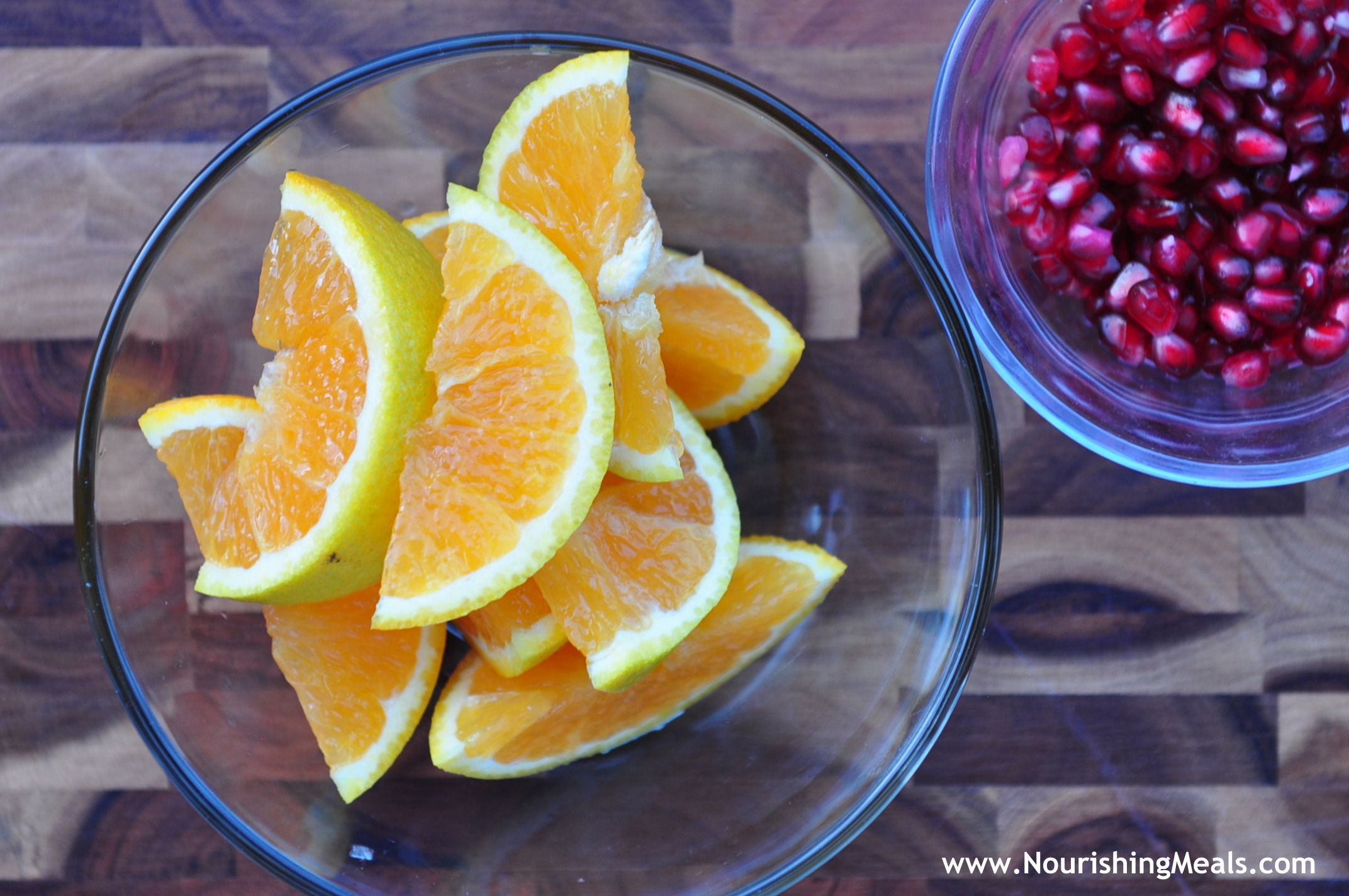
- Certain foods can be helpful to eat daily during cold and flu season. My children think oranges and pomegranates are treats! They would eat four pomegranates a day if we let them. I think this habit keeps them healthy and more resistant to catching a cold. Both pomegranates and oranges are full of vitamin C, flavonoids, and other antioxidants for keeping the immune system strong! Eat more mushrooms! They can increase natural killer cell activity that combats viral infections.
- Drink green smoothies daily! They will help your body deal with all the toxins we are exposed to on a daily basis that alter our immune system function. Kale, collard greens, and other cruciferous vegetables increase phase 2 detoxification of toxins while ramping up our body’s production of antioxidants. The soluble fiber in the fruit (and more so in whole grains and beans) helps with the removal of these toxins from the body. Greens are also loaded with carotenoids or precursors to vitamin A—a key nutrient for proper immune function.
- Go to bed early! Sleep is a time to rest, digest, and repair. If you want your immune to be in great shape then give it time to rejuvenate.
- Practice a daily yoga routine or light, brisk walking.
Treating Illness: Natural Home Remedies
Although I believe antibiotics have their place, they are grossly overused. Most antibiotics kill off beneficial bacteria in the gut leaving you more susceptible to nutrient deficiencies, disease, food allergies, and gut dysbiosis. Most things can be treated naturally using the prevention tips above and the home remedies below. In fact, we've only needed to use antibiotics once with one of our five children in the last 10 years!
Ear Infections:
Ear infections can be prevented with good nutrition, and if your child does happen to get one, it can be easily treated with home remedies. Our first daughter is the only one of our five children who has ever had an ear infection (I actually don't know if she did have an actual infection, but I assume so since she was fussy and pulling on her ears a lot) and it only happened once when she was a toddler. We used garlic-mullein ear oil and an "onion ear muff" to treat it....and lots of breastfeeding!
Recently one of my four-year-old twins was complaining of an earache so I put two drops of the garlic-mullein oil in his ear before bed and by morning the pain was gone!
- ELIMINATE ALL DAIRY! If your child has recurrent ear infections the first place to look is the diet. Does your child eat a lot of gluten and dairy? Remove ALL dairy products first. If the ear infections are still present, I would suggest removing all gluten-containing foods as well. Stick to an unprocessed, low-sugar, whole foods diet free of dairy and gluten. My bet is that you will see far fewer ear infections! If your child rarely gets ear infections but is experiencing one then it is usually best to remove dairy products until the infection heals.
- Garlic Mullein Ear Oil (an olive oil infusion). Only a few drops in each ear until the infection goes away. There are a number of good brands. Check your local health food store. The one we like is from Herb Pharm.
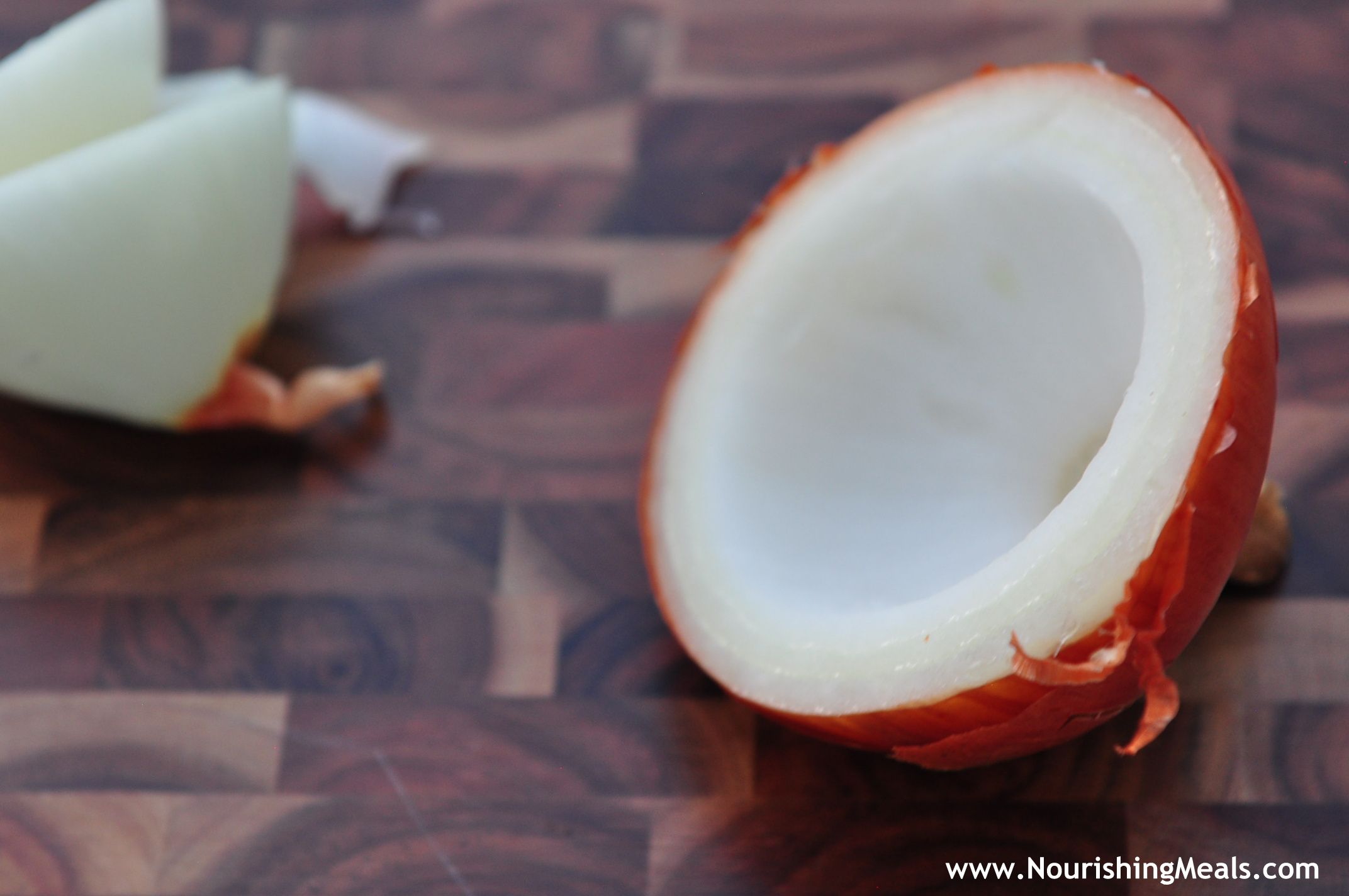
- Onion Ear Muff: cut an onion in half and take out all but the outer two rings (as pictured). Place it on a cookie sheet and bake it at 350 degrees F until warm. Use a light dishtowel to hold it against the ear. The chemicals in the onion gas increase circulation to the ear and help to rid it of bacteria.
- Vitamin C: Have your child take 1 to 2 caps of Natural Vitamin C once or twice a day. If your child cannot swallow a capsule then you can mix 1/4 teaspoon of the powder in a glass of water, coconut water, or freshly squeezed organize juice (not pasteurized juice!).
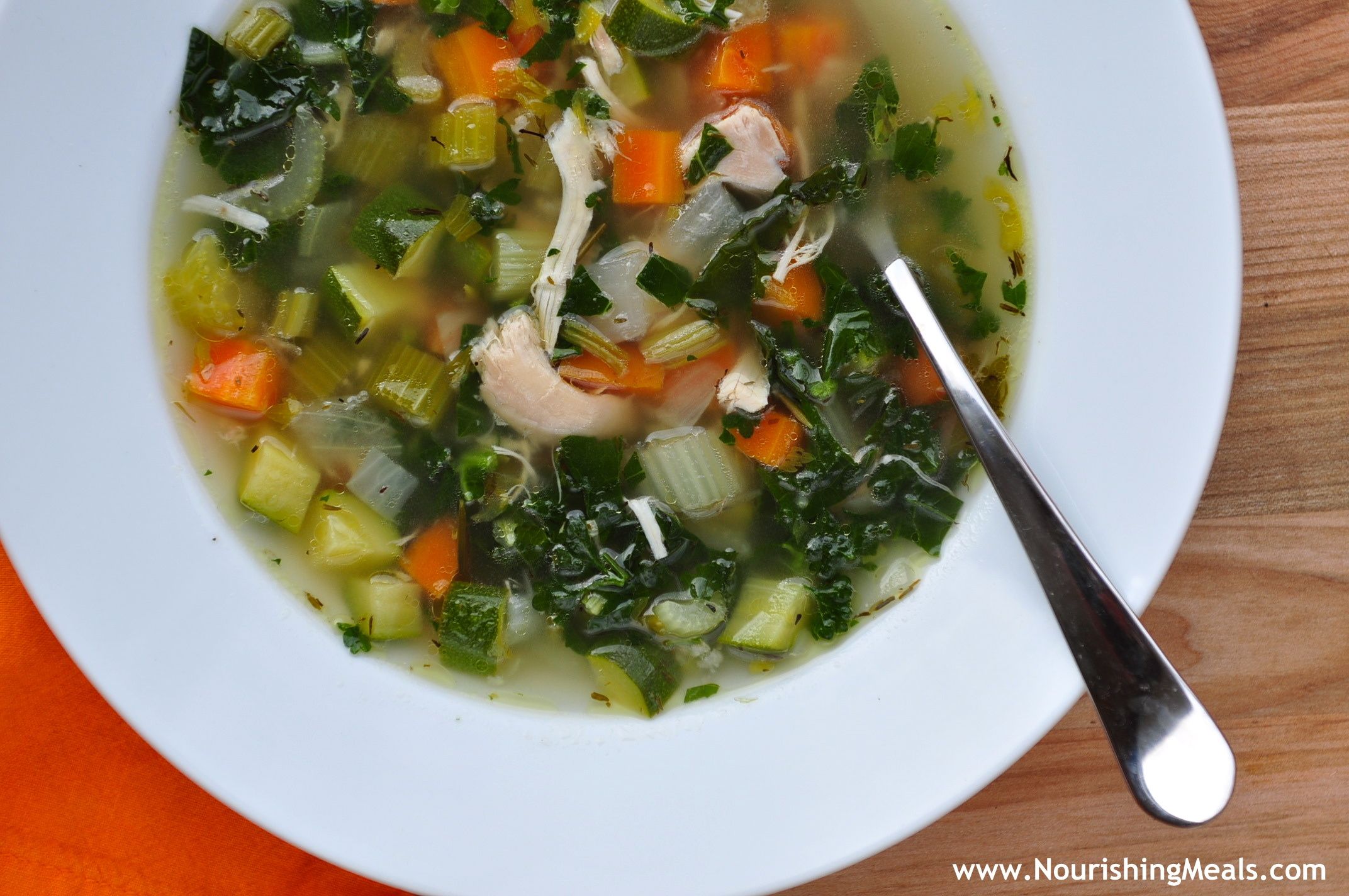
- Homemade organic chicken soup with lots of fresh garlic, rosemary, oregano, and thyme. (See page 212 in The Whole Life Nutrition Cookbook). Or try this Immune-Boosting Chicken Soup Recipe (which can also be found in my Nourishing Meals cookbook on page 185).
- Green Smoothies with plenty of fresh ginger.
Upper Respiratory Flus:
- Food: Light meals like brown rice and steamed vegetables (topped with chopped raw garlic), fresh orange slices, pomegranates, freshly squeezed lemon or lime juice in water, lacto-fermented vegetables, cultured coconut water (Kevita), green smoothies, homemade immune-boosting chicken soup, or miso soup (we use South River's soy-free miso). I think a homemade chicken soup with a lot of vegetables, ginger, and chilies is one of the best medicines for the flu! In fact, I serve this to my children for breakfast and lunch when they have a cold! Also, it is important to keep difficult-to-digest foods like dairy, wheat (gluten), and soy out of the diet while sick. Keep all processed foods and sugar out of the diet as well. Sugar and refined carbohydrates use up your body's stores of vitamins and minerals to metabolize the sugars—the very same nutrients your immune system needs to function properly!
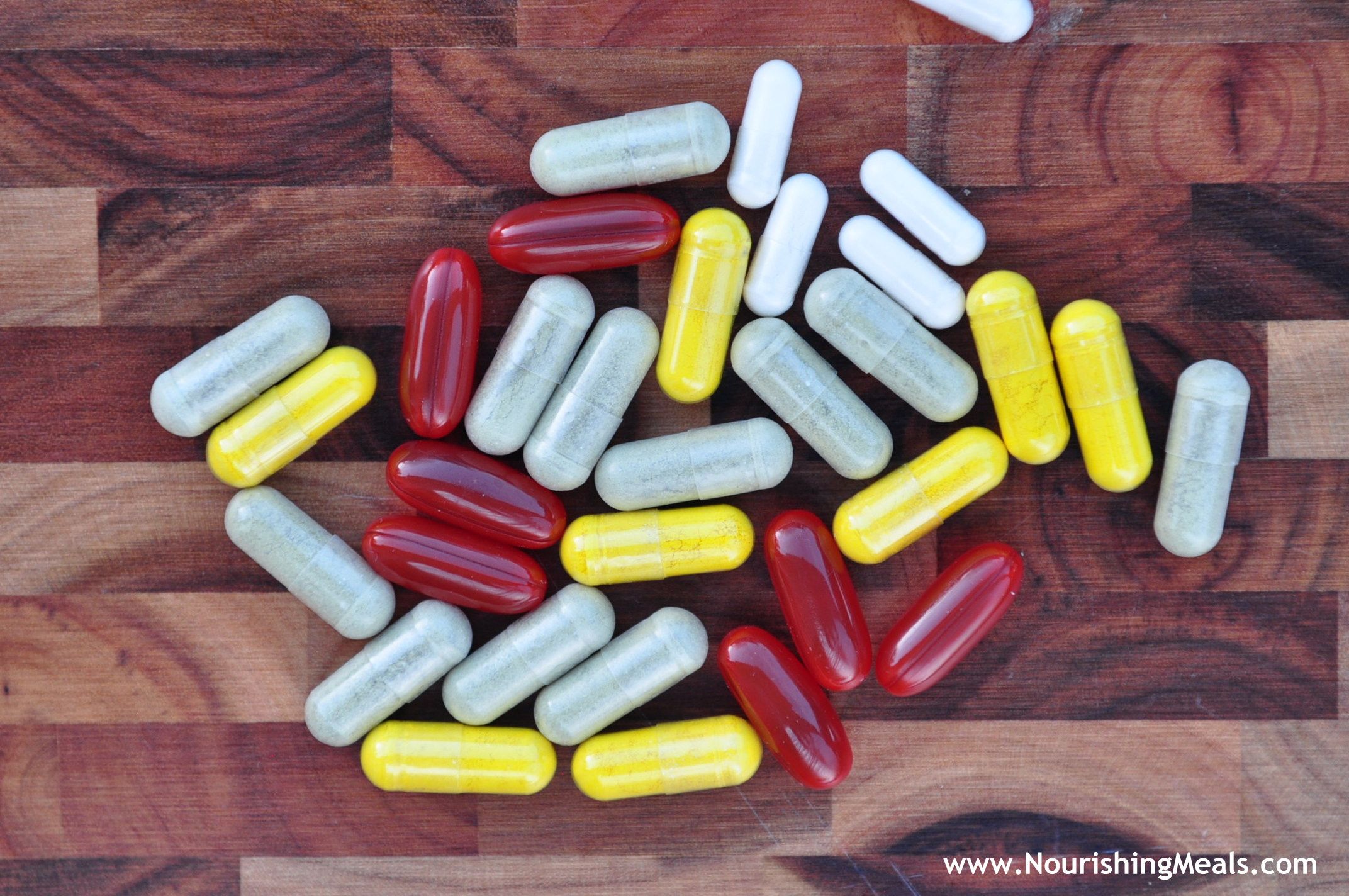
- Supplements: Olive Leaf Extract—500mg 3 times a day; Berberine—200mg 3 times a day; N-acetylcysteine—500mg 2 to 4 times a day; Vitamin D—10,000IU's a day during acute illness. Vitamin K2 (needed when supplementing vitamin D above 4000IU per day)—use 15mg of MK4 OR 45mcg of MK7 daily; Selenium—(selenomethionine) 400mcg during illness; Vitamin C—minimum of 500mg every 4 hours with a larger dose at bedtime.
- Herbs: Astragalus, Goldenseal, Echinacea, Andrographis, Licorice Root, St. John's Wort, Lemon Balm, and fresh Ginger. Elderberry syrup can also be very effective for an upper respiratory flu but you need to begin taking it when your symptoms first come on.
- Steam: Take a hot, steamy shower or sit in a steam room. You can also fill a large bowl with boiling hot water, add a few drops of tea tree oil, rosemary, or eucalyptus, and lean over the bowl with a towel draped over your head to breathe in the steam and antiviral essential oils.
- Diffuse Essential Oils: I diffuse pure essential oils in my home all day, every day during cold and flu season! I use something called On Gaurd, which is an anti-viral and anti-bacterial blend that helps to clean the air. Other great oils are lemon, douglas fir, and tea tree. You can learn more here and set up a wholesale account to order your own if you are interested. There are many different diffusers, but here is one I like (I have a number of them throughout my home)!
- Rest, sleep, rest!
- Netti Pot: this uses a saline solution to flush out the sinuses. It is best done a few times a day during acute illness. You can probably find a Netti Pot at your local health food store.
Fevers:
Fevers are a good thing. They are a natural response of your immune system to fight infections. The chemicals your immune system uses are literally called pyrogens, meaning they heat up the body to burn out the invading organisms and accelerate the activity of your immune cells. Unless the fever is very high (generally somewhere above 105-106 degrees F), there generally isn't any reason to use over-the-counter drugs to bring it down. Acetaminophen (Tylenol, Sudafed, Benadryl, Robitussin, TheraFlu, Vick's Nyquil) is usually what most parents use as soon as their child gets a fever, but did you know that this drug actually depletes glutathione levels? Okay now, what does that mean? Glutathione is the body's primary antioxidant that's produced from three amino acids (cysteine, glutamic acid, & glycine) in the liver and elsewhere. When glutathione levels drop the body's immune cells cannot function properly.
- Stay Hydrated! This is the most important thing to do if you or your child has a fever. Drink a few quarts of pure filtered water every day. If your infant or toddler has a fever then stick with breastmilk 24/7...it is the best source of nourishment and hydration!
- Try a natural electrolyte drink: Mix 1-quart coconut water with 1/8 teaspoon unrefined sea salt and the juice of 1 fresh lime. Serve 1/4 to 1/2 cup at a time, every 30 to 60 minutes, to help your child stay hydrated during a fever.
- Herbs: Tulsi (Holy Basil) tea is very effective with fevers and flus. My children love this tea! Ginger, cinnamon, yarrow, peppermint, and chamomile work very well too.
- Light meals if they are tolerated like miso soup, homemade chicken stock, or green smoothies. You can watch my video on How to Make Homemade Chicken Soup using a whole, organic chicken if you need more guidance!
- Rest, rest, rest!
Sore Throats:
- Soothing Teas: Licorice Root, Marshmallow Root (best extracted by cold infusion), Slippery Elm, and Mint.
- Salt Gargle: Make a mixture of 1 teaspoon of sea salt dissolved in 8 ounces (1 cup) of warm water. Use it to gargle every one to two hours.
- Food: Again broth and soup are your best medicines. They nourish, hydrate, and sooth a sore throat. You can find all of the recipes on this blog tagged bone broth here.
- Supplements: Everything mentioned above.
- Essential Oils: Gargle with a few ounces of warm water with 1 to 2 drops myrrh essential oil added to it. You can also add a drop of myrrh and a drop of copaiba essential oil to a small glass of water and drink a few times a day. *Please make sure you order high-quality, therapeutic-grade essential oils for internal use. This is the brand we use.
Disclaimer: This post for educational purposes only and is not intended to treat or diagnose. Please see your healthcare practitioner for assistance.

About the Author
Alissa Segersten, MS, CN
Alissa Segersten, MS, CN, is the founder of Nourishing Meals®, an online meal-planning membership with over 2000 nourishing recipes and tools to support dietary change and better health. As a functional nutritionist, professional recipe developer, and author of The Whole Life Nutrition Cookbook, Nourishing Meals, and co-author of The Elimination Diet, she helps people overcome health challenges through food. A mother of five, Alissa understands the importance of creating nutrient-dense meals for the whole family. Rooted in science and deep nourishment, her work makes healthy eating accessible, empowering thousands to transform their well-being through food.Nourishing Meals Newsletter
Email updates.


Add Comment